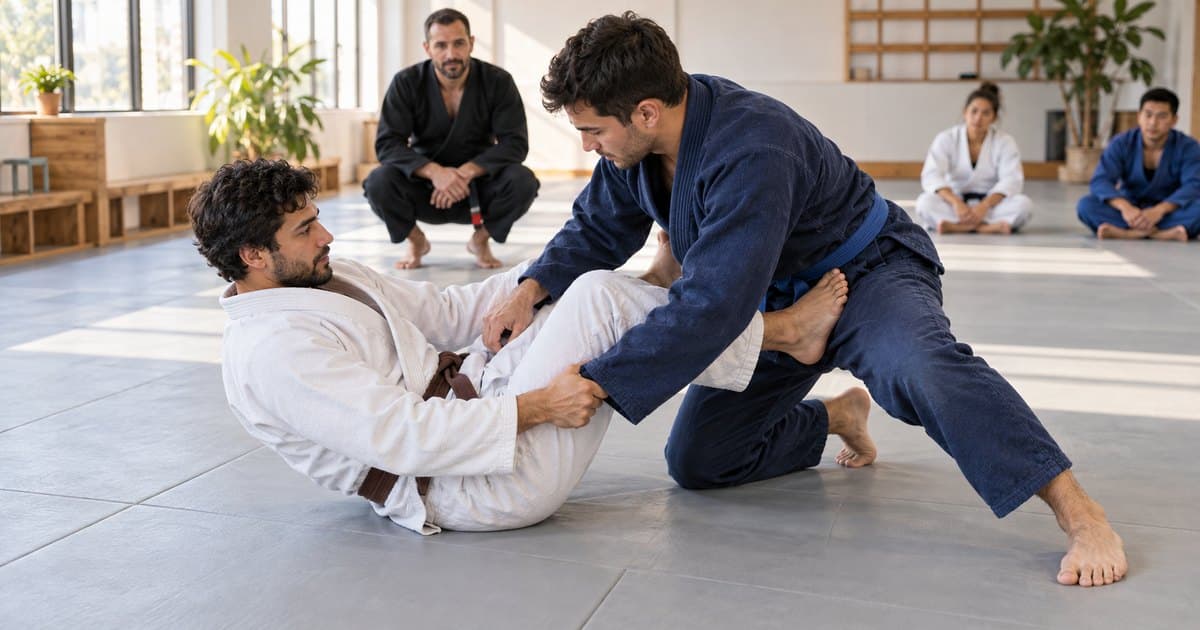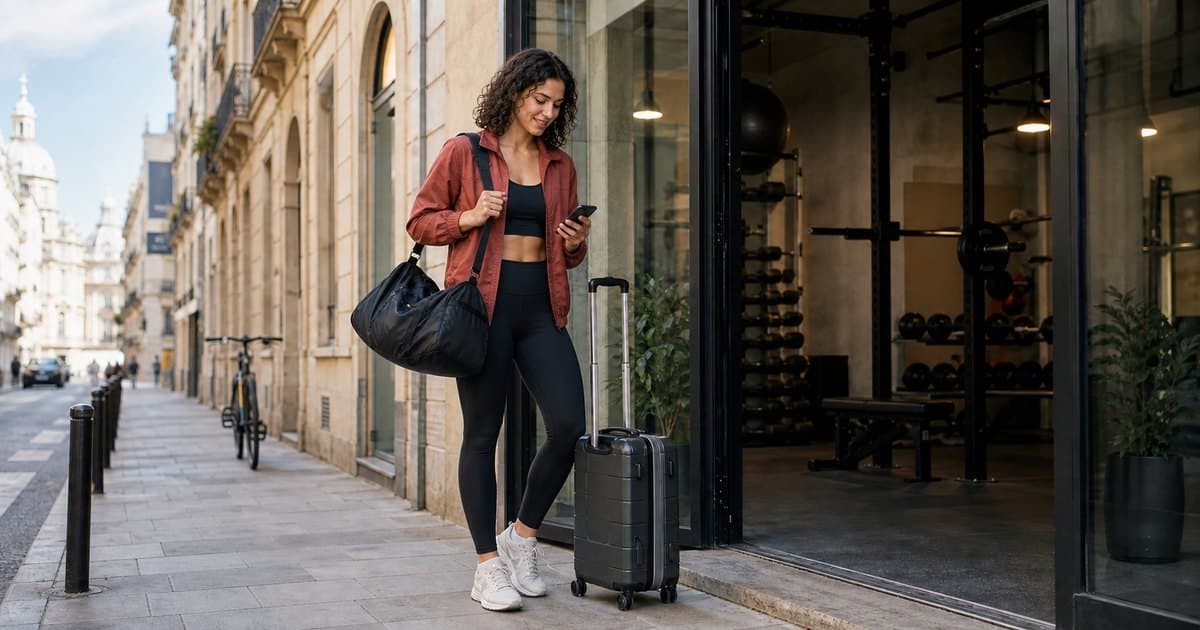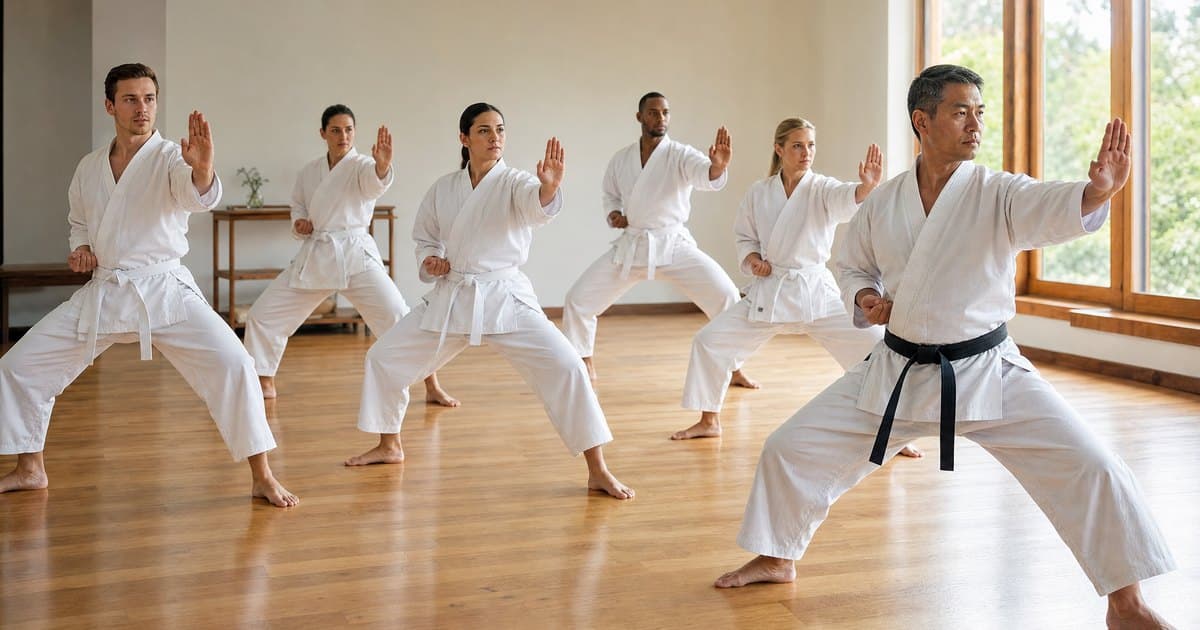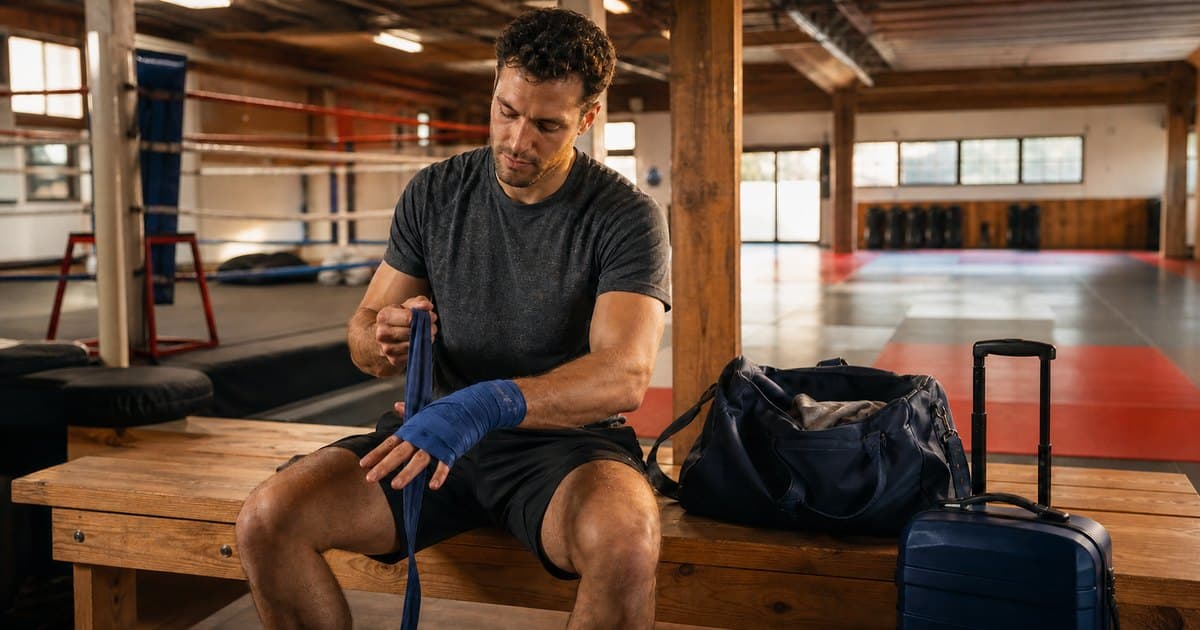
Combat-sports athletes sometimes need to train away from their home gym: a boxer may look for a technical class, a nak muay for a local camp, and a grappler for a BJJ (Brazilian Jiu-Jitsu) open mat. Many cities offer drop-in options for visitors, but availability and entry requirements vary by venue.
The main challenge is understanding the gym's rules before arriving. Depending on the discipline, country, and venue, visitors may need prior experience, membership credentials, or health documentation. Access to sparring is also decided by the coach and is not automatically included with a booking.
This guide explains what to check before a one-off training session and how to choose a class that matches your experience.
Why fighters love traveling (and sparring away from home)
Visiting another school can expose you to different methods, pacing, and styles. It does not replace consistent work with your home team, but it can be a useful complement when the host coach knows how to integrate visitors safely.
However, a traveling fighter's needs are specific:
- Equipment and space: check whether the venue has the bags, ring, cage, or mat area required for the session you want to attend.
- The open-mat format: some BJJ and grappling academies run sessions without a structured class. They are not necessarily open to everyone, so check team restrictions, required experience, and booking rules.
- Coaching and gym culture: look for instructors who explain rules, intensity, and partner matching while prioritizing the safety of both visitors and members.
Common obstacles for traveling fighters
If you've tried organizing a boxing or BJJ workout while traveling for work or vacation, you've likely run into three problems:
- Entry requirements: some venues require visitors to provide membership credentials, a medical certificate, or other documents, while others apply different conditions to occasional guests.
- Trust: a coach is responsible for the class and may want to understand a visitor's experience, home team, and goals before allowing sparring.
- Fragmented communication: asking via Instagram whether there is space for pad work or randori can lead to late replies or misunderstandings about schedules.
How to prepare for a successful combat-sports drop-in
To avoid misunderstandings and enjoy your workout to the fullest, follow these best practices before showing up at a new club:
- Give advance notice: Even when booking via app, always check that the chosen class matches your level (e.g., avoid advanced fighter classes if you are a beginner).
- Bring the required equipment: gloves, a mouthguard, and hand wraps for striking disciplines; a clean gi or rashguard for BJJ, depending on the venue's rules. Ask in advance whether rental equipment is available.
- Respect the house rules: arrive on time, wear clean kit, follow the coach's instructions, and agree on intensity with your partner.
Simplify your search with FlexDropin
The transition to a flexible model is also reaching martial arts and combat sports gyms, which recognize the value of hosting motivated athletes from all over the world.
With FlexDropin, you can search for nearby partner venues, filter by discipline, and review the photos, descriptions, schedules, and prices they publish. If a class or open mat is available, you can book and pay in the app while still meeting the venue's stated entry requirements.
Put on your gloves, tie your belt, and step onto the mat: FlexDropin can simplify search, booking, and payment.