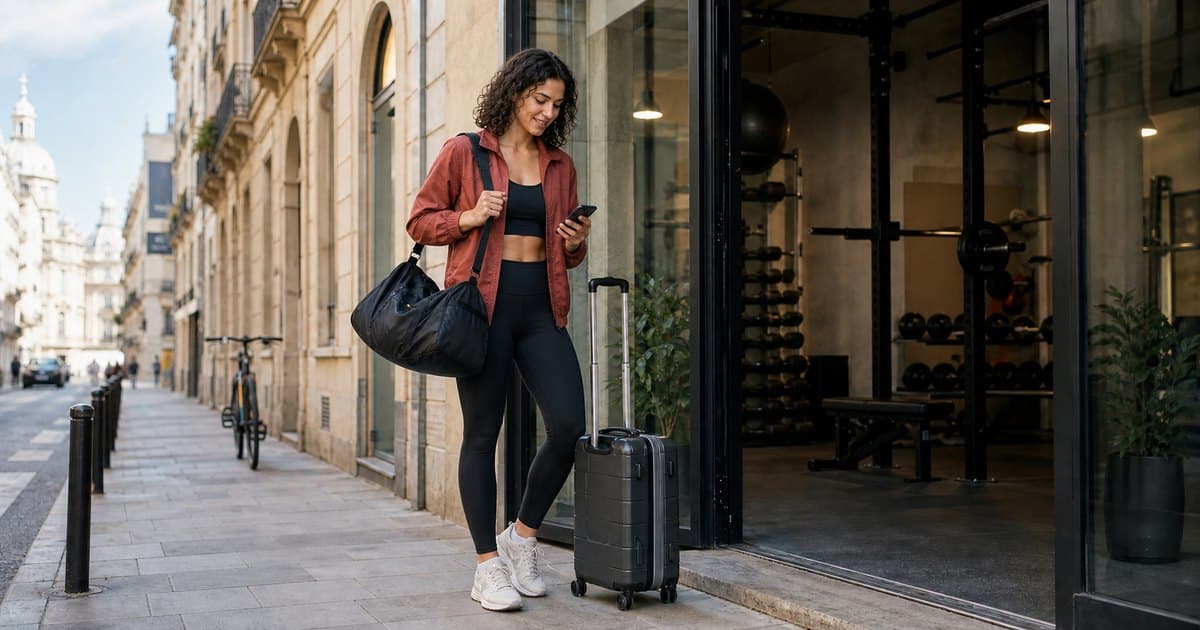
Training away from home requires some adjustment. Business trips, holidays, new schedules, and time zones can interrupt a routine, but a break or a different week does not erase your progress: the realistic goal is to find an option that fits the trip.
A hotel gym may be enough for some programs; others require equipment, space, or classes it does not provide. Day passes and drop-in classes add a local alternative without necessarily requiring a recurring membership.
This article explains how to organize workouts while traveling, what to check at a local venue, and when a single booking may be suitable.
The wellness tourism boom
The Global Wellness Institute forecasts 9.1% average annual growth in global wellness-tourism spending from 2024 to 2029. The category is broader than gym-based fitness, and the figure does not directly measure demand for day passes or drop-in classes.
For travelers who want to train, the practical challenge is comparing distance, schedules, activity type, entry requirements, and day-pass availability. This information is not always collected in one place or one language.
The 3 challenges of working out abroad (and how to overcome them)
Travelers regularly face three practical problems when trying to work out:
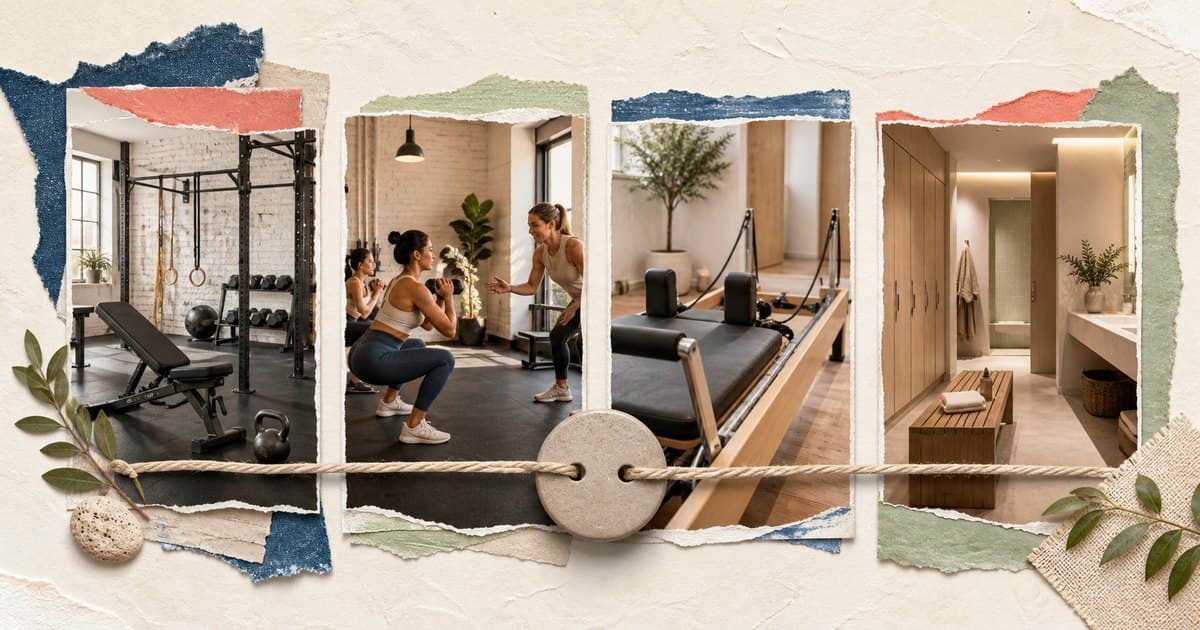
- Available equipment: check the hotel gym's photos, description, and rules. If your program requires barbells, kettlebells, or specific machines, confirm availability before leaving or look for an alternative.
- Entry terms: some gyms sell day passes, while others only offer memberships or packages. Also check identification, any health-document requirements, and guest rules.
- Language and organization: abroad, it may be harder to clarify schedules, class level, documents, and payment methods. A bilingual digital listing helps, but the venue's requirements still apply.
Comparison: hotel gym and a day pass at a local venue
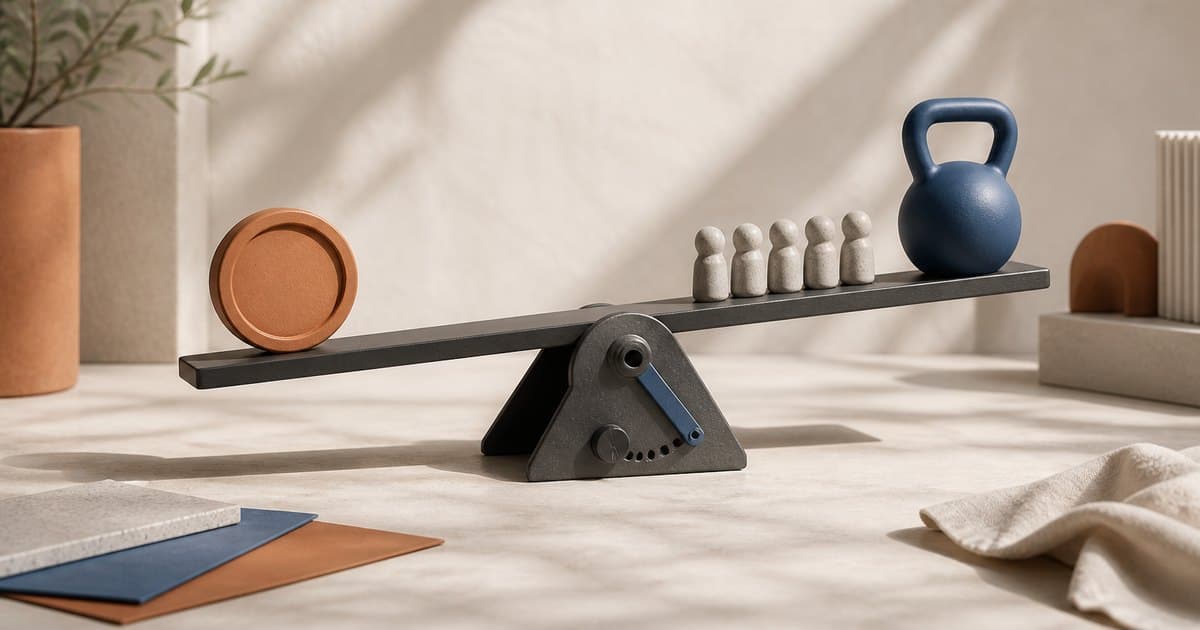
To understand when it's worth leaving the hotel, here is a quick comparison.
| Factor | Hotel Gym | Local Gym (Day Pass) |
|---|---|---|
| Equipment | Variable: check before your stay | Variable: choose according to your program |
| Cost | Usually included in the stay | Depends on city, venue, and activity |
| Atmosphere | Usually independent training unless other services are offered | Independent training or a class, depending on the booking |
| Hours | Depend on the hotel | Depend on published access or class times |
| Best for... | Travelers whose accommodation already meets their needs | Travelers seeking specific equipment, spaces, or classes |
How to plan your workout before you leave
To avoid leaving your workouts to chance, follow these three steps before packing your bags:
- Identify realistic windows: allow for training, travel, changing, and possible delays. A short, sustainable session may be more practical than a rigid plan.
- Look for convenient venues: consider travel time from your accommodation or other commitments, not just straight-line distance.
- Choose the right format: If you have unpredictable hours, look for Open Gym access. If you have a free evening and want to relieve stress, book a guided Drop-in class (like HIIT or spinning).
Your fitness passport: FlexDropin
FlexDropin brings together sessions published by partner venues and is also designed for people seeking occasional training away from home.
With location permission, the app shows available partner venues nearby. You can review published photos and descriptions, session times and prices, then book and pay by phone. Availability depends on active venues in the area, and their stated entry requirements still apply.
Conclusion
Your routine may change while traveling, and that is fine. When you want to train, a day pass or drop-in class can help you find an option suited to your time, location, and preferred activity.