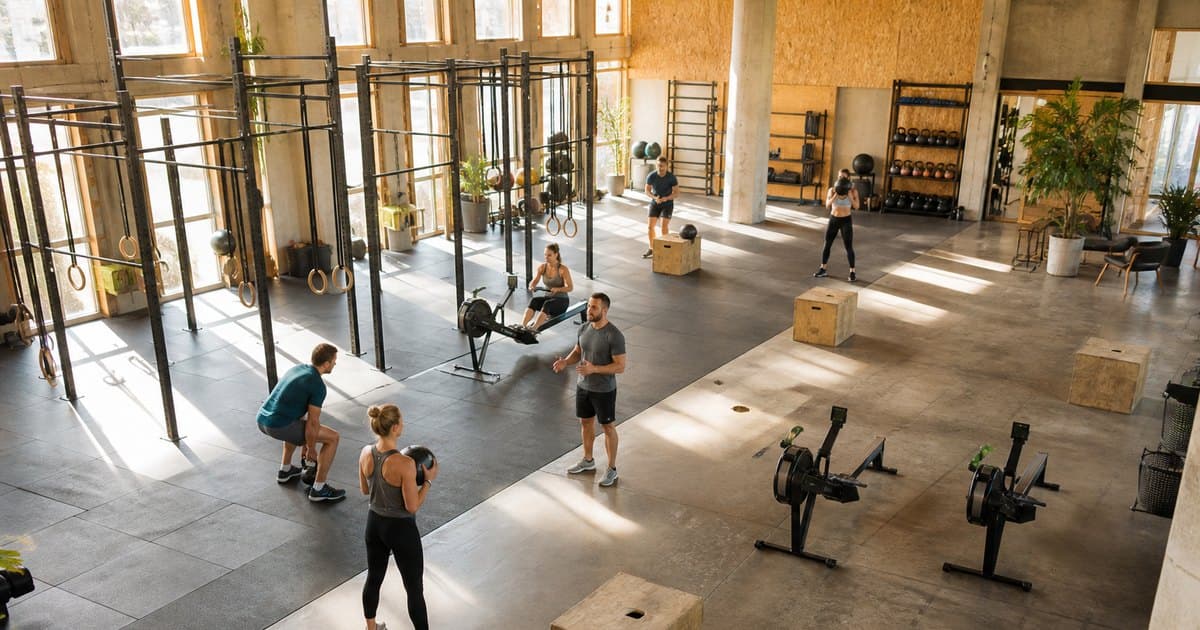
Running a CrossFit box or functional-training facility may require generous space and specific equipment: suitable flooring, rigs, barbells, sleds, and ergs, depending on the classes offered. Investment and operating costs vary widely between venues.
Classes have a capacity set according to space, equipment, safety, and coaching quality. When places remain available, the manager can consider selling them as drop-ins without reducing service to members.
Drop-ins and open-gym access are two possible levers, not an automatic solution. This article explains how to test them, measure their costs and revenue, and integrate them with the venue's program.
When open-gym access can work
People preparing for hybrid events such as HYROX may seek spaces with sleds, wall balls, and ergs. Others may need an independent session while traveling or outside their usual venue's hours.
A coached class suits some athletes; others look for time and equipment to follow their own program. An open-gym offer should state duration, usable areas, included equipment, and level of supervision.
If part of the floor is genuinely available, you can test an open-gym pass. Set the price by considering local demand, fees, wear, cleaning, staff, and taxes: existing space lowers some costs, but it does not make all revenue profit.
Class drop-ins: monetizing foot traffic
Drop-ins are common at many CrossFit boxes and functional-training facilities: some athletes look for a local class while traveling, although demand and frequency vary by destination and period.
If a 15-person class has 12 bookings, the remaining three places are potentially sellable capacity. Before publishing them, review members' late-booking patterns, a sustainable price, and any additional work required from the coach.
The main obstacle: bureaucracy
Some boxes limit drop-ins or find them difficult to manage. Manual administration can be one factor: without a dedicated workflow, a drop-in may require:
- Exchanging messages on Instagram or WhatsApp.
- Cash payment at the front desk.
- Checking any documents and consents required by the venue and applicable law.
When the coach is alone on the floor and needs to start the clock, the last thing they want to do is struggle with a cash register or loose sheets of paper for a single passing client. The risk is that the drop-in experience becomes an operational burden, ruining the box's image.
How to automate the process with FlexDropin
Digitising availability, booking, and payment can reduce manual work without removing reception and on-floor checks. With FlexDropin, you can:
- Visibility: Users can see the venue on the map and review published photos and descriptions. List relevant equipment clearly because there is no dedicated filter for individual items.
- Instant purchase: you publish open-gym time slots and drop-in classes as sessions in the app, and users book and pay for them right away (with Apple Pay, Google Pay, or card).
- Separate requirement management: Platform terms do not replace venue-specific waivers, consents, or documents; set up a process that fits your requirements.
- A more streamlined check-in: The booking payment is already recorded, while the coach performs the usual identity, requirement, and session-access checks.
Pay-as-you-go access can become an additional channel when class quality comes first. Start with limited slots and places, measure actual revenue and costs, and adjust the offer based on results.